How Much Elevation Is Needed To Prevent Flooding?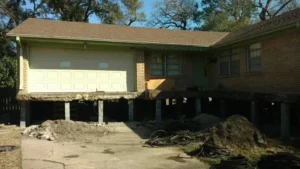
Flooding doesn’t send a warning text. It shows up fast, wrecks everything in its path, and leaves you cleaning up the mess. So, if you’re considering how high your home needs to be to avoid it, you’re already ahead of the game.
We’ve been helping folks figure this out for decades. The truth? Getting your house to the right elevation can save you thousands and give you peace of mind. Let’s break down what makes a good elevation and what to do when you’re not there yet.
So, What’s a Safe Elevation?
There’s no one-size-fits-all number. But in most flood-prone areas, you want your finished floor at least one foot above the Base Flood Elevation (BFE).
What’s BFE? FEMA defines it as the height floodwaters are likely to reach during a 100-year flood. Every property has a different BFE, depending on its flood zone. If your house sits below that line, it’s in the splash zone.
Want a ballpark? In coastal areas, 10–12 feet above sea level is often the baseline. In inland zones with rivers or poor drainage, it varies more. You need a site-specific answer no guesswork.
When Should You Call Us?
Look, you don’t need to panic every time it rains. But there are clear signs it’s time to talk to a pro:
- Flooding has already happened. Even once is enough.
- Your neighbors raised their homes. They probably had a good reason.
- Flood insurance premiums skyrocketed. That’s often tied to elevation.
- You’re in a high-risk FEMA flood zone (AE, VE, etc.).
- Your crawl space or slab stays damp.
- You’re planning major renovations. It’s smart to lift before sinking more cash into upgrades.
- You’re near rivers, or low-lying land.
When you want the best, call Du-West. We don’t guess we measure, analyze, and give you straight answers.
How We Raise a Home to a Safe Elevation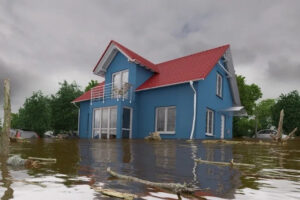
This isn’t a weekend project with a jack and some buddies. Here’s what happens when we lift your house:
Inspection & Survey
First, we check your foundation and the land around it. We identify flood risk, soil type, and elevation.
Permits & Engineering Plans
This step is super important especially with historic buildings as working on them requires special approval.We work with engineers to draw up a plan that keeps your structure sound. Then, we handle the permits, so you won’t need to wrestle with red tape.
Prepare the Structure
Plumbing and electrical lines get disconnected. We brace the structure and prep it for the lift.
The Lift
We use hydraulic jacks and synchronized systems to lift the home. Slow and steady. No sudden moves.
Install New Supports
We build new piers, columns, or stem walls at the new height. Solid as a rock.
Reconnect Systems
Plumbing, electrical, HVAC everything goes back in, up to code.
Final Grading & Cleanup
We adjust drainage, regrade the site, and clean up. No one wants their yard to look like a construction site.
It sounds like a lot because it is. But that’s what it takes to keep your home dry when the water comes knocking.
FAQ: Quick Answers, No Fluff
How do I find out my property’s BFE?
Start with FEMA’s Flood Map Service Center or ask your local city or county floodplain administrator.
Will lifting my house lower flood insurance costs?
Yes. Higher elevation usually means lower premiums. Many homeowners see big savings after raising.
Is house lifting safe?
With the right team and equipment yes. We’ve lifted hundreds of homes. No shortcuts.
Can I live in the house during the lift?
Nope. You’ll need to stay elsewhere during the actual lift and reconnection phase. But we keep the timeline tight.
What’s the cost range?
Depends on square footage, foundation type, and how high we’re going. We give upfront estimates and talk you through the options.
Don’t Wait for the Next Big Storm
We’ve seen too many families lose what they spent years building all because their home sat too low. A good elevation isn’t just a number on paper it’s your buffer from disaster.
Raising your house might feel like a big step. It is. But the alternative is dealing with soaked floors, ruined drywall, and endless insurance calls.
We’ve helped folks all across Texas lift their homes and sleep better at night. Want to know what your elevation is? Thinking about a lift? Just give us a call. When you want the best, call Du-West. We’ll shoot you straight and treat your home like it’s our own.